Sustainable Volunteer Management: Doing More with Less
Looking for a better way to improve your sustainable volunteering efforts? Read on and learn how to do more with less.
‹ Previous Post
Inclusive volunteering creates opportunities for everyone to contribute, grow, and feel connected to a shared purpose.
When organizations prioritize accessibility, cultural awareness, and representation, they open the door for more people to participate in meaningful ways. This strengthens volunteer programs and builds a more connected community.
Focusing on inclusion, equity, and diverse perspectives ensures that volunteer experiences aren’t limited to a select group. Instead, they become welcoming spaces where people can bring their skills, identities, and lived experiences to the table. This approach enriches the work and helps create lasting change across the community.
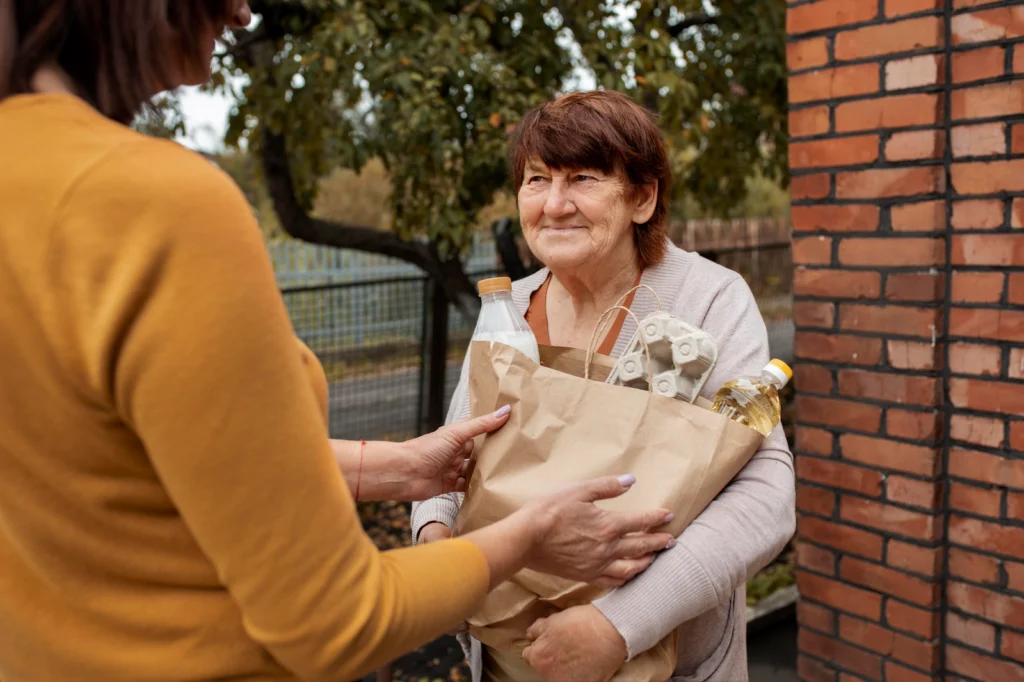
Inclusive volunteering strengthens the foundation of any community-focused organization. When people of different backgrounds, abilities, and identities feel welcome to participate, programs become more responsive, more creative, and more effective. This broadens who gets involved and deepens the overall impact of the work.
Focusing on inclusion, representation, and equitable access ensures that volunteer efforts reflect the communities they serve. It builds trust, expands reach, and creates environments where everyone can contribute in meaningful and supported ways.
Inclusive volunteering brings communities together, helping people build meaningful relationships with neighbors from different backgrounds and experiences.
When volunteers feel welcomed and valued, they contribute with more confidence and purpose. This sense of belonging strengthens community bonds and encourages shared responsibility, collective action, and mutual support.
Teams with varied perspectives often spark stronger ideas and more innovative solutions.
When volunteer programs intentionally include people from different cultures, ages, abilities, and lived experiences, the work becomes richer and more effective. Diverse voices bring insights that help organizations better understand and meet the needs of their communities.
Many groups have been historically overlooked or excluded from volunteer opportunities. Creating space for these individuals requires thoughtful outreach and a commitment to dignity, accessibility, and cultural awareness.
When you invest in understanding your community’s different needs, organizations create volunteer experiences that feel welcoming and genuinely respectful.
Inclusion matters most when it’s reflected in real actions. That means adapting roles, improving training, listening to feedback, and removing barriers wherever they appear.
Removing barriers could mean providing both a paper and electronic versions of your form for volunteers and others to fill out.
When organizations prioritize these practices, they see tangible outcomes: greater participation, improved program effectiveness, and stronger relationships that sustain long-term change.
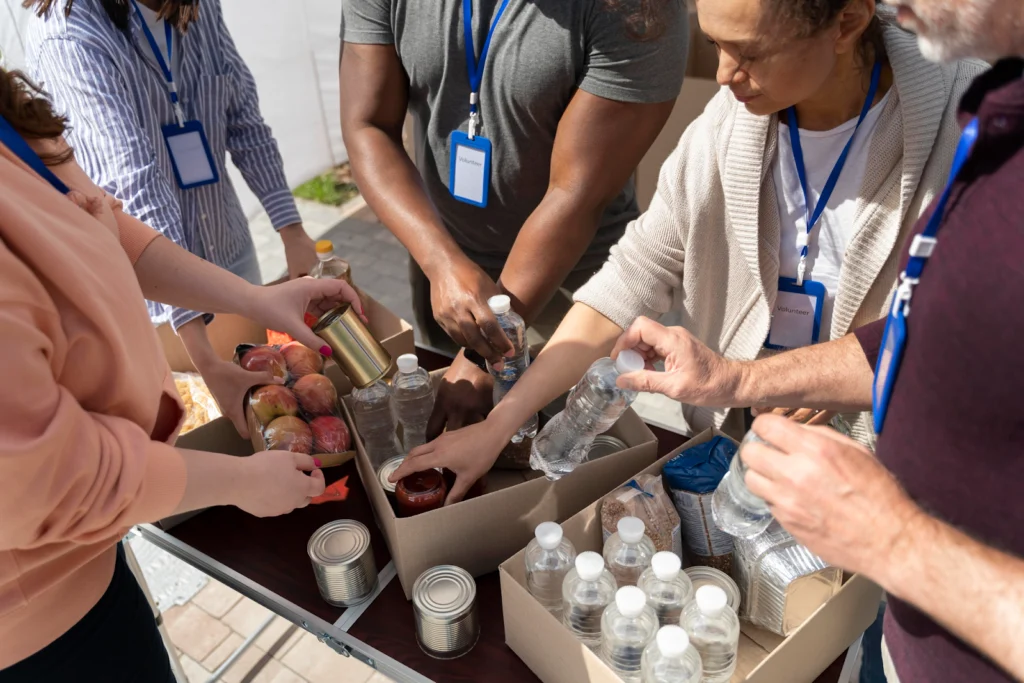
Inclusive volunteering becomes real when organizations design opportunities that welcome people with different abilities, identities, and lived experiences.
Flexible volunteer roles allow individuals to contribute in ways that match their strengths and comfort levels. Offering a range of responsibilities helps more people participate fully and confidently.
An inclusive experience begins the moment someone arrives. Physical accessibility, clear signage, and supportive staff interactions help volunteers feel comfortable and empowered.
Programs grow stronger when shaped by the communities they serve. Listening to people with direct experience and incorporating their feedback leads to volunteer initiatives that better reflect real needs.
Volunteers participate more fully when common barriers are removed. Translation support, accessible materials, and culturally responsive communication create pathways for everyone to engage without hesitation.
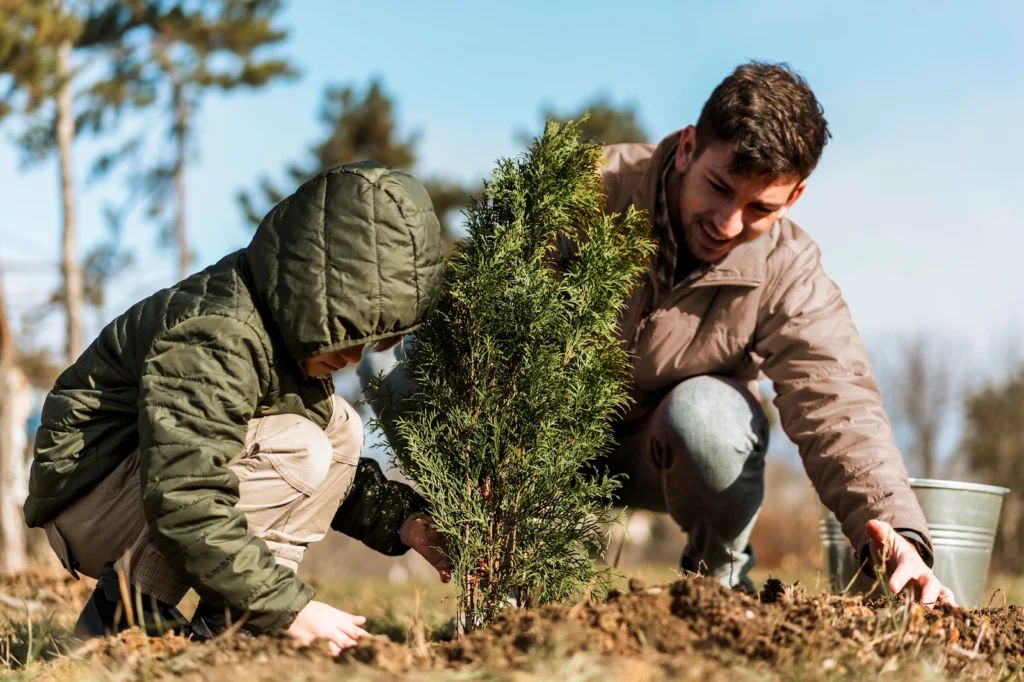
Creating an inclusive volunteer experience requires intention, consistent communication, and a willingness to rethink long-standing practices so more people can participate fully.
Reaching new volunteers means moving beyond familiar networks. Partnering with local groups, cultural organizations, and community leaders expands outreach and supports more diverse participation.
Inclusive programs depend on teams who know how to support different needs and experiences. Training on cultural awareness, accessibility, and equitable engagement helps create a safer, more welcoming environment.
Strong volunteer programs actively listen. Clear, ongoing feedback channels help organizations understand what’s working, what isn’t, and what changes will improve participation.
Inclusion grows through regular reflection and adaptation. Reviewing policies, updating materials, and removing barriers keeps volunteer experiences responsive, relevant, and truly welcoming over time.
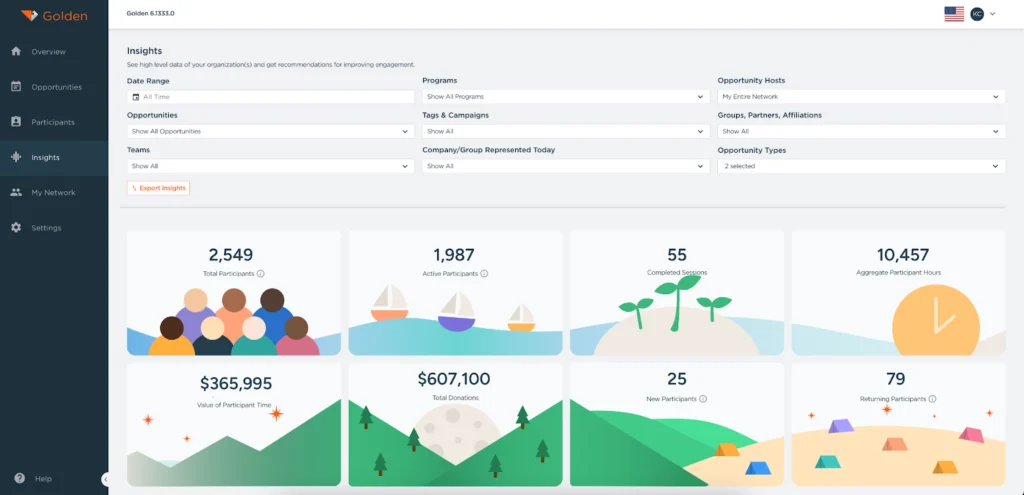
Measuring impact helps organizations understand how well their programs engage and reflect the communities they aim to serve.
Collecting information on who participates shows whether programs are reaching a broad range of identities and experiences. This data highlights gaps and guides efforts to improve representation.
Surveys and check-ins give volunteers a voice in shaping the experience. Their insights help refine training, improve communication, and strengthen overall program quality.
Looking at broader outcomes—like increased engagement, stronger relationships, or improved access to services—helps organizations understand the long-term influence of inclusive volunteering.
If you’re looking to create an inclusive volunteering experience, use Golden. Our volunteer management software makes recruiting and managing volunteers a breeze. With features such as automated communications, a mobile app, and a built-in credential system, you can be sure to foster an inclusive community with your volunteers.
Schedule a free demo today!

Looking for a better way to improve your sustainable volunteering efforts? Read on and learn how to do more with less.
‹ Previous Post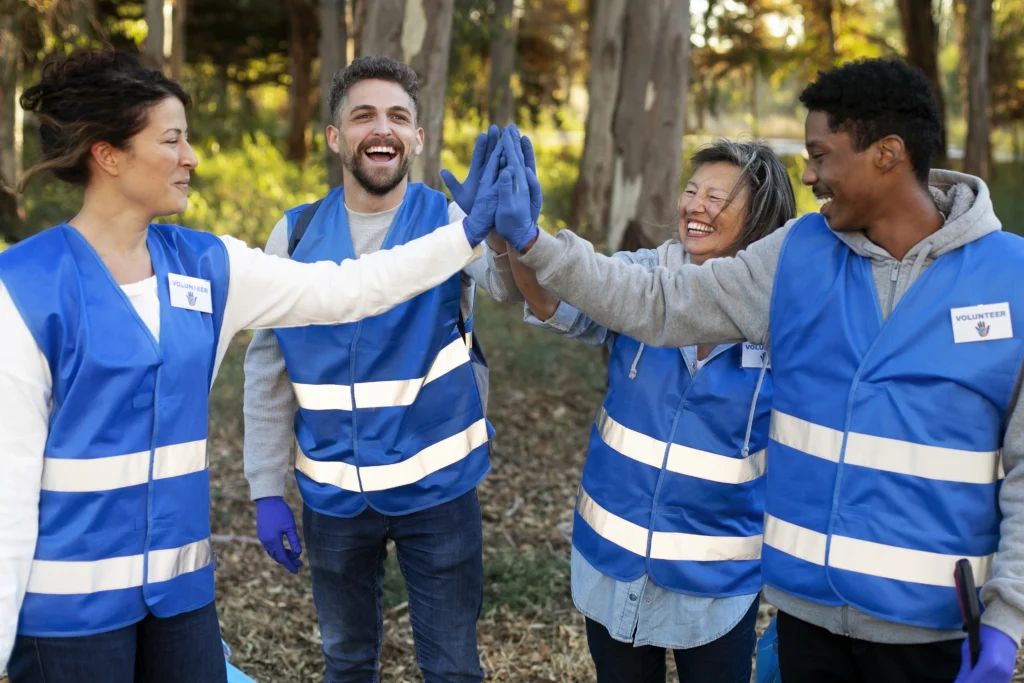
Most volunteers leave after their first shift. Learn why it happens and how to turn one-time helpers into long-term supporters with better experiences.
Next Post ›1:1 consultation aimed at transforming your volunteer program
Learn how to transform supporters into donors
Help us spread our message