
Volunteer Retention Starts Before the First Shift
Volunteers decide whether to come back long before the thank-you email. Here’s how to improve the full volunteer journey, measure what matters, and make every volunteer hour count.

Volunteers decide whether to come back long before the thank-you email. Here’s how to improve the full volunteer journey, measure what matters, and make every volunteer hour count.

A vendor-neutral guide for states choosing a platform for Medicaid community engagement compliance. Opportunity availability comes first, because a verification system with nothing to verify produces the same result as no system. Here are the seven capabilities that matter, in order, and the questions to ask vendors.

Volunteer hours have no data source behind them the way wages and school enrollment do, so states are verifying them three ways: self-report, document upload with caseworker review, or capture at the point of service. Here’s how the three compare, and which can clear a renewal without contacting the beneficiary.

With January 1, 2027 this close, a new procurement won’t land in time. The community service pathway can be added to a state’s existing eligibility and enrollment system as a layer, not a replacement. Here’s what that layer has to do, how it integrates, and how its cost may qualify for a 90 percent federal match.

Of the four ways Medicaid expansion adults can meet H.R. 1’s 80-hour monthly requirement, three can be verified against data states already hold. Community service can’t: no national system records who volunteered where, or for how long. Here’s why that gap carries the most risk, and what closing it takes.

A large food bank's volunteer program is several functions at once—recruitment, scheduling, food-safety compliance, multi-site coordination, and reporting. Enterprise software should cover the full chain in one coherent system, with training status enforced right at scheduling. Here's what to expect at scale.
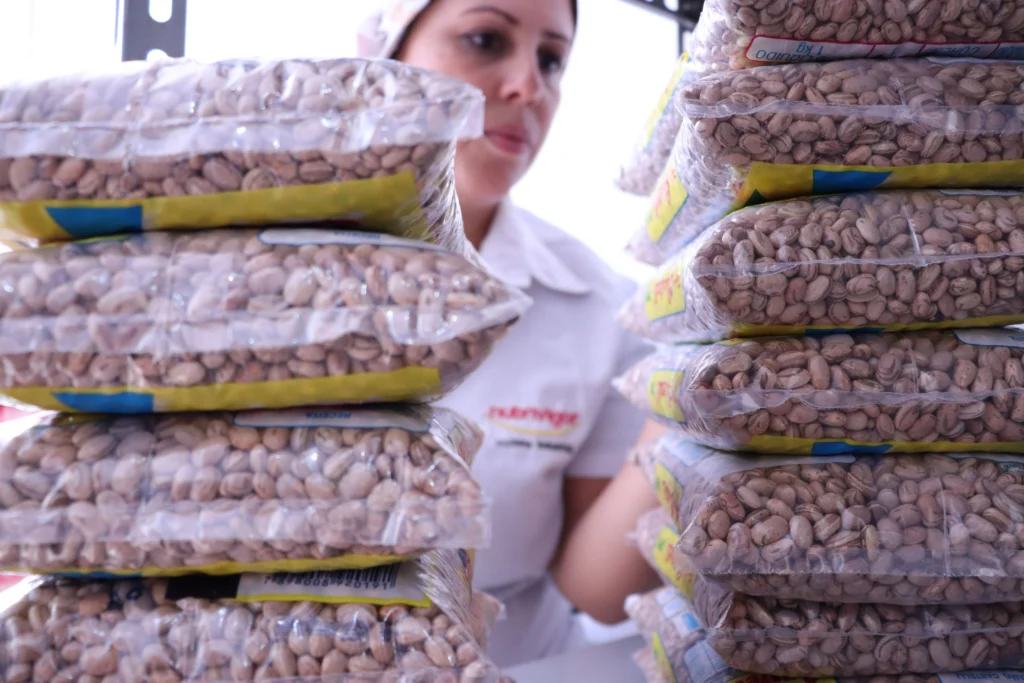
When a food bank keeps building spreadsheet workarounds and can't segment reports by site or program, it's usually outgrown its mid-market platform. An enterprise-grade alternative adds multi-site permissions, deeper compliance tracking, and flexible reporting. Here are the signs it's time—and what to upgrade to.
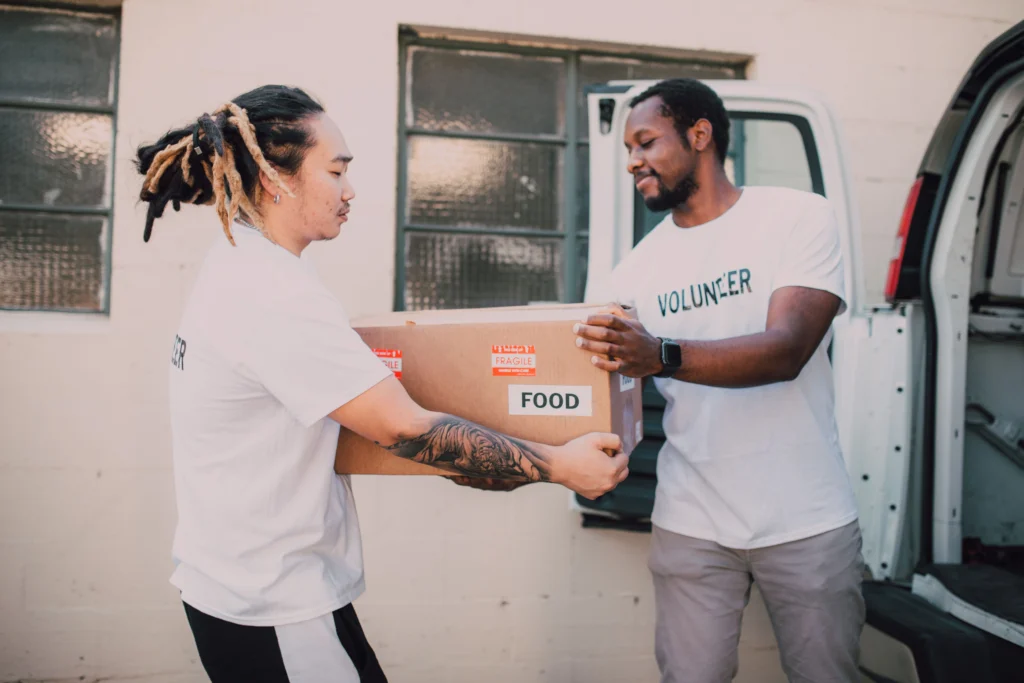
Food bank scheduling platforms fall into three categories: dedicated hunger-relief tools, configurable general-purpose software, and enterprise suites with a scheduling module. None is automatically right—fit depends on your scale, how food-specific your operations are, and how well a tool handles drop-in volunteers.

Shift-by-shift tactics break down across thousands of volunteers. At scale, reducing no-shows becomes a data problem—and a volunteer's own attendance history is the single strongest predictor. The best lever is a complete history and a reliability score that triggers earlier outreach, not one coordinator's memory.
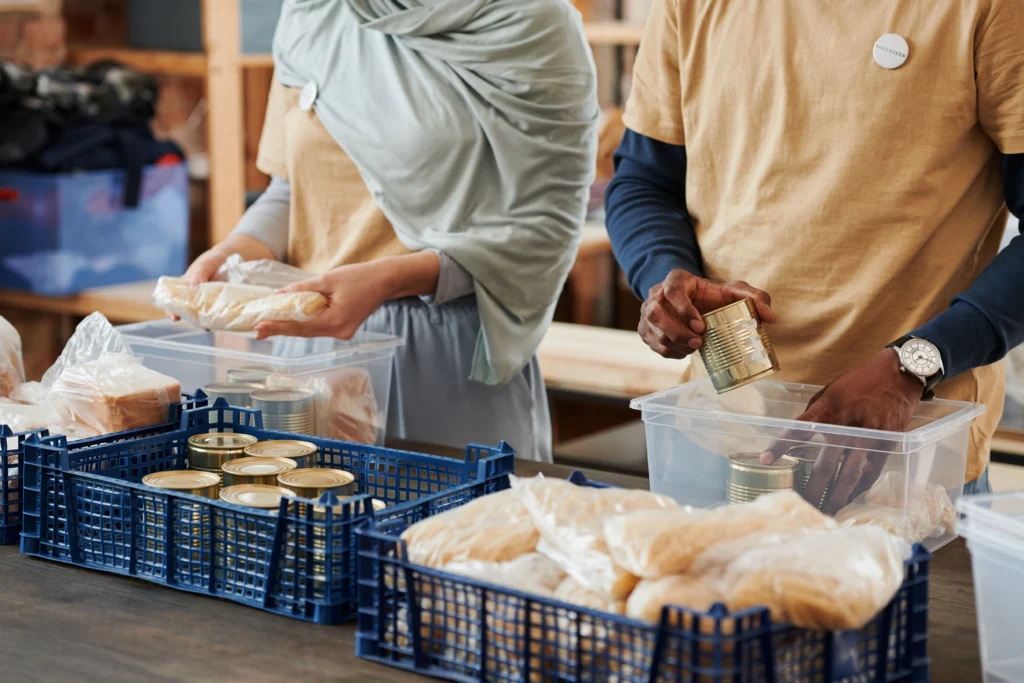
Food banks schedule around food itself—so the right software treats food-safety training status as a scheduling condition, not a separate record, and flexes around unpredictable donation timing instead of a fixed calendar. Here's what warehouse and distribution operations need that a generalist tool misses.
Learn how to transform
supporters into donors
Help us spread our message
1:1 consultation aimed at
transforming your volunteer program