The Essential Guide to Seamless Volunteer Registration Forms
Boost sign-ups and reduce friction with these five essential tips for volunteer registration forms. Learn how to simplify your event planning with Golden.
‹ Previous Post
Managing event volunteers takes more than enthusiasm and a signup sheet. Without structure, even the most committed team can feel unsure about what to do or where to go. Clear systems and expectations make the difference between smooth coordination and last-minute scrambling.
From community fundraisers to large conferences, volunteers often handle guest support, logistics, and on-the-ground problem-solving. When they’re set up for success, your entire event benefits.
How can you create a volunteer experience that feels organized, positive, and effective from start to finish?
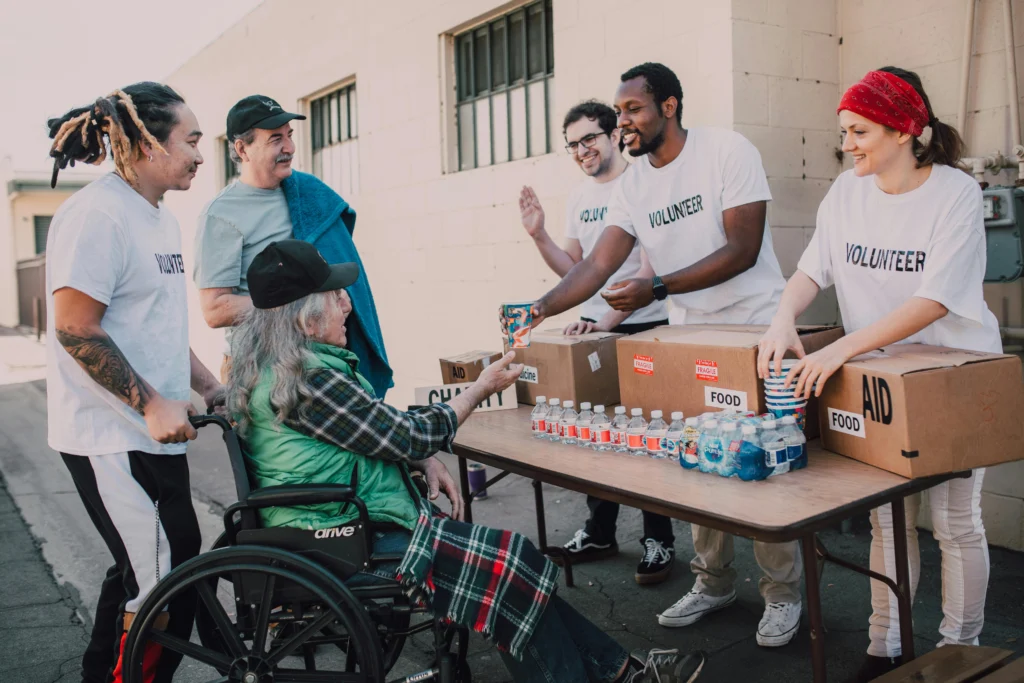
The fastest way to lose a volunteer is to give them a job title like “general helper” and then hope for the best.
People want to contribute, but they need clear direction to do it confidently. Define roles in plain language and focus on what success looks like for each task.
Before the event, outline responsibilities, time commitments, and who they report to. For example: check-in support, ushering, setup crew, hospitality, or stage assistance. Include details like where they should be, what tools they’ll need, and what problems they’re expected to handle.
Clear roles reduce confusion, prevent duplicated work, and help volunteers feel capable from the start. When everyone knows their lane, the whole event runs smoother — and your volunteers feel like part of a real team, not a last-minute patch.
When you’re trying to recruit volunteers fast, it’s easy to prioritize “whoever can make it.” But a smoother event comes from placing volunteers where they’ll actually thrive, not just where there’s an open slot.
Match roles to strengths whenever possible — outgoing people for guest-facing tasks, detail-oriented volunteers for check-in, supplies, or behind-the-scenes support. Even a quick preference question during signup can reduce confusion, boost confidence, and improve reliability on event day.
Volunteers do their best work when they have clear information ahead of time, so share key details early and repeat them closer to the event. Keep messages simple and organized by covering arrival time, location, parking, dress code, and who to contact. Use a single central place for updates so people are not hunting through texts and emails.
Communication is key to a successful day of service.
Volunteer training should focus on what people actually need to do on-site. Give a quick walkthrough of the role, the flow of the event, and the most common issues they might face.
Keep it short, repeat the essentials, and send a simple one-page cheat sheet so nobody is trying to memorize instructions in the parking lot.
Even a well-trained volunteer group can get messy without clear on-the-ground leadership. Team leads act as the “human router” for questions, problems, and quick decisions, so volunteers are not all pulling you in different directions.
Choose leads who stay calm, communicate clearly, and can keep people moving without being overly strict.
One strong lead per area (check-in, hospitality, setup, floor support) can prevent a ton of confusion and save your event staff from constant interruptions.
If you don’t track who showed up, where they’re assigned, and when they leave, you’re basically running volunteer management on vibes. A simple volunteer check-in process helps you confirm coverage, hand out materials, and quickly reassign people if something changes.
At minimum, your system should include:
Check-out matters too. It’s how you confirm hours, collect supplies, and make sure nobody quietly disappears mid-shift without anyone noticing.
People volunteer because they want to help, but they come back because they feel valued. Small details like a warm welcome, clear direction, and basic comfort go a long way.
Make sure volunteers know why their role matters, not just what to do, and give them quick wins early so they feel useful right away.
Even a simple “thank you, you’re keeping this whole thing running” can boost morale instantly.
No matter how organized you are, someone will run late, miss a shift, or suddenly need to leave. Backup coverage is not pessimism, it’s professionalism. Build a little slack into your staffing plan so one absence doesn’t create a domino effect across the whole event.
Your backup plan can include:
The goal is simple: problems happen, but they shouldn’t become emergencies.
Volunteer appreciation should not be an afterthought or a generic “thanks everyone” shouted into a microphone. Recognition is part of retention.
Thank people during the event, not just after, and be specific about what they did well.
A quick personal message, a shoutout to a team lead, or a group photo can make the experience feel meaningful. If you can, follow up afterward with a short thank-you email and a note about the impact they helped create.
The best-run events are built on iteration. After the event, ask volunteers what was clear, what was confusing, and what would have made their job easier.
Keep it quick and make it easy to answer, because nobody wants a 30-question survey after a 6-hour shift.
Even five honest responses can reveal patterns you missed. Use what you learn to tighten roles, improve training, and make your next volunteer team stronger from day one.
Want to make volunteer management smoother from signup to event day? Golden helps you recruit volunteers, communicate clearly, and track participation without juggling spreadsheets, texts, and last-minute guesswork. With built-in tools for scheduling, automated tracking, and reporting, you can stay organized while creating a better experience for every volunteer.
Schedule a free demo today and take Golden for a free test drive.

Boost sign-ups and reduce friction with these five essential tips for volunteer registration forms. Learn how to simplify your event planning with Golden.
‹ Previous Post
Learn how nonprofits can balance volunteers and staff ethically. Avoid burnout, protect your mission, and build sustainable systems with Golden.
Next Post ›1:1 consultation aimed at transforming your volunteer program
Learn how to transform supporters into donors
Help us spread our message