7 Critical Life Skills Gained from Volunteering
Volunteering builds empathy, communication, leadership, and more. Discover 7 critical life skills you gain through meaningful volunteer experiences.
‹ Previous Post
Event management lives or dies on details. From the first registration link to the final recap, success depends on clear communication, realistic scheduling, and knowing where time and effort actually go through solid time tracking.
When those pieces line up, reporting becomes easier, and the impact of your event is impossible to miss.
This guide walks through each stage so nothing important slips through the cracks.
Planning sets the tone for everything that follows. When you define priorities early and align your team through clear communication, you avoid rushed decisions later and create space to focus on the real impact your event is meant to have.
Clear goals give your event direction, while defined timelines keep momentum steady from early planning through execution. Using SMART goals helps turn big ideas into concrete plans by making objectives specific, measurable, and realistic instead of vague or aspirational.
When priorities are documented upfront, teams spend less time second-guessing decisions and more time moving work forward. Clearly assigned roles help prevent overlap, missed tasks, and last-minute scrambling, while also supporting better visibility into how work is distributed.
Examples of effective event goals include:
Setting goals this way creates clarity, accountability, and a shared definition of success before planning even begins.
Registration is often the first real interaction volunteers have with your event, so it needs to feel simple and welcoming. A smooth process reduces drop-off, builds early confidence, and sets expectations before anyone walks through the door.
A clean sign-up flow removes friction and answers questions before they arise. When volunteers can register quickly and get instant confirmation, they are more likely to stay engaged and show up prepared.
A seamless experience usually means fewer required fields, clear event details, and mobile-friendly forms that work just as well on a phone as they do on a laptop. Automatic confirmation emails, calendar invites, and simple follow-up messages help attendees know exactly what to expect, where to go, and what to bring without having to search for information or reach out for help.
Volunteers are the backbone of many successful events, and having the right tools makes all the difference. Golden helps centralize communication and scheduling so volunteer coordination feels intentional instead of reactive.
Placing volunteers where their skills and interests fit best increases confidence and follow-through. When volunteers feel aligned with their role, they show up more engaged and ready to contribute.
Volunteer tools, like the Golden app, make this easier with modules that help volunteers discover opportunities based on their interests, availability, and location.
When you guide volunteers toward roles that fit them naturally, event organizers gain clearer reporting on volunteer participation and a better understanding of how contributions were distributed across the event.
Automating scheduling and routine communication reduces manual work and removes many of the common points of confusion that show up before an event. Instead of chasing confirmations or sending individual updates, organizers can rely on systems that automatically keep everyone informed.
Consistent reminders help volunteers stay on track with their commitments, shifts, and responsibilities. Clear timing and expectations reduce uncertainty and improve follow-through.
This structure lowers no-show risk, strengthens accountability, and frees organizers to focus on coordination, problem-solving, and delivering a smooth on-site experience.

Live events are where planning meets reality, and reality has opinions. Even the best plans need room to flex when schedules shift, people run late, or priorities change. With shared visibility and reliable communication, teams can respond quickly instead of scrambling, keeping the experience smooth for attendees and staff alike.
When everyone is working from the same source of truth, updates travel fast, and decisions feel coordinated rather than chaotic. That clarity reduces stress in the moment and helps the event stay on track without constant manual check-ins.
During an active event, alignment matters more than perfection. Clear ownership paired with flexible scheduling helps teams adapt without losing momentum. When staff and volunteers know exactly where they should be and what they are responsible for, changes stay contained instead of cascading into larger issues.
Effective coordination often includes:
This level of organization makes it easier to handle last-minute adjustments while maintaining a calm, professional experience for everyone involved.
An event does not end when the room clears out. Taking time to review results through thoughtful reporting helps you understand what worked well, what fell short, and where small changes could make future events even stronger.
Looking back with intention gives teams clarity and confidence.
It turns a busy day into something measurable and useful rather than just a memory, and lays the foundation for smarter planning next time.
Post-event feedback helps turn real experiences into practical insights. Surveys, follow-up messages, and internal reflections give attendees, volunteers, and staff a voice in what comes next.
Sharing clear recaps through consistent communication helps teams celebrate wins, document lessons learned, and stay aligned moving forward. These summaries keep everyone informed, reinforce transparency, and make it easier to build momentum for future events instead of starting from scratch each time.
Great events are built on clarity, follow-through, and tools that support your goals from start to finish. Golden brings together communication, scheduling, time tracking, and reporting so you can focus on creating meaningful impact at every stage.
Ready to see Golden in action?
Schedule a free demo today.
Volunteering builds empathy, communication, leadership, and more. Discover 7 critical life skills you gain through meaningful volunteer experiences.
‹ Previous Post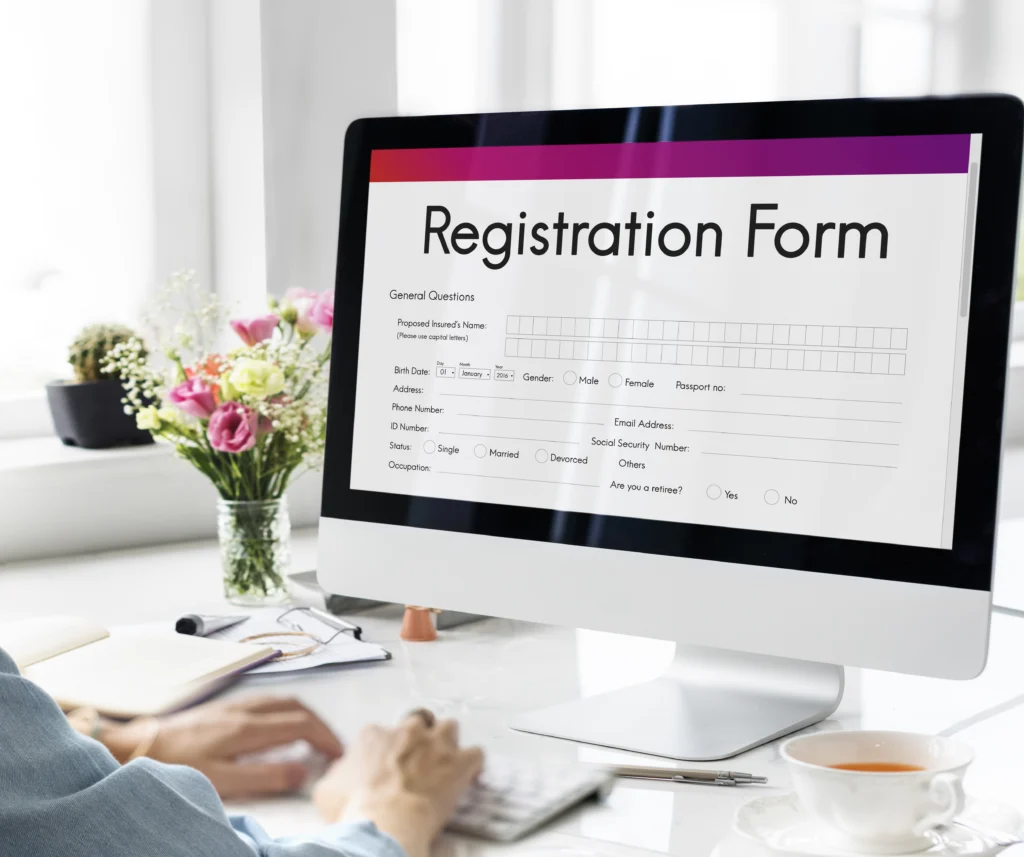
Boost sign-ups and reduce friction with these five essential tips for volunteer registration forms. Learn how to simplify your event planning with Golden.
Next Post ›1:1 consultation aimed at transforming your volunteer program
Learn how to transform supporters into donors
Help us spread our message