Inclusive Volunteering for Diverse Communities
Learn how inclusive volunteering strengthens communities, expands participation, and creates meaningful opportunities for people of all backgrounds.
‹ Previous Post
Volunteers often show up with enthusiasm, contribute their time, and then never return. This is one of the most common and costly challenges nonprofits face.
In this article, we will explore why volunteers drop off after just one event, what small experience gaps cause big losses, and how organizations can turn first-time helpers into long-term supporters.
Ready to create solid volunteer retention strategies for your volunteering efforts?
Let’s dive in!

Most volunteers do not leave because they had a bad time. They leave because the experience felt confusing, impersonal, or disconnected from the bigger mission. When expectations are unclear or the impact of their work is invisible, even motivated people walk away assuming they are not truly needed.
There is also a momentum problem. If nothing meaningful happens after that first shift, no follow-up, no acknowledgment, no next step, the relationship quietly ends. Volunteers are not looking for perfection, but they do need clarity, appreciation, and a sense that their time mattered and will matter again.
Most volunteers arrive with a mental picture of how the day will go. They imagine being useful, guided, and connected to a meaningful cause. When reality does not match that picture, unclear instructions, long stretches of waiting, or tasks that feel disconnected quickly lead to disappointment.
This gap is rarely intentional. It usually comes from rushed planning or assuming volunteers will figure things out on their own. When people feel underused or unsure whether they did the right thing, they leave feeling awkward instead of accomplished. That feeling is hard to overcome when deciding whether to come back.
Volunteers do not expect praise every five minutes, but they do want acknowledgment. A simple thank you, a clear recognition of effort, or a reminder of why their work mattered goes a long way. When appreciation is missing or generic, volunteers may assume their presence was forgettable.
Silence after an event can feel especially loud. Without follow-up or feedback, volunteers are left guessing whether their time made any difference. Even highly motivated people disengage when they feel unseen, not out of frustration, but because there is no signal inviting them to return. Effective communication solves this problem.
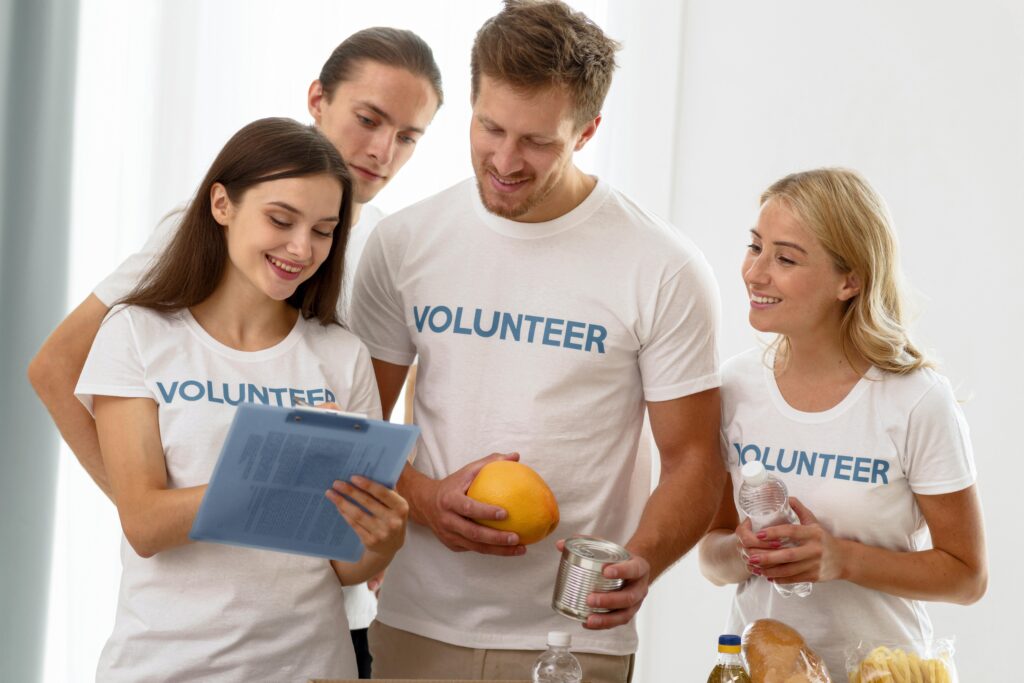
Many organizations rush to improve emails and reminders when volunteers do not return, but retention is decided long before any follow-up is sent. If the on-site experience feels unclear, awkward, or disconnected from the mission, no amount of post-event communication can repair it. Getting the day itself right turns follow-up into a natural continuation instead of a recovery effort.
Volunteers want certainty more than flexibility. When roles are clearly defined, people know where to stand, what to do, and how to do it well. That clarity removes anxiety and replaces it with confidence, especially for first-time volunteers who do not want to make mistakes.
Clear roles also create clear wins. Finishing a task, seeing progress, or knowing a goal was met gives volunteers a sense of closure and pride. That feeling is what they remember when deciding whether to sign up again.
Belonging is built through small signals. A friendly welcome, names used correctly (both spelled and spoken), and brief check-ins during the shift let volunteers know they are part of something, not just filling a gap. When day one feels personal and inclusive, returning feels natural instead of optional.
Volunteer retention improves when organizations stop treating people like entries in a spreadsheet and start treating them like individuals with limited time and real motivations. The shift from one-time help to ongoing involvement happens when the relationship feels intentional, human, and worth continuing.
Follow-ups work best when they sound like they came from a real person who noticed real effort—using names, referencing the specific event, and keeping the message simple shows volunteers they were seen and remembered, not processed through a system.
Volunteers want to know one thing after they help. Did this matter? If that answer is delayed or vague, enthusiasm fades quickly.
Showing impact does not require a long report. A short message explaining what was accomplished or who benefited is often enough to close the loop and reinforce purpose.
When people can connect their time to a real outcome, they are far more likely to say yes again. Impact turns a completed shift into the beginning of a relationship.
Volunteer retention improves when organizations think beyond individual events and design a clear path for involvement. A strong journey gives volunteers an idea of what comes next, instead of leaving them at a dead end. When people can see future opportunities, they are more likely to stay engaged. Consistency builds familiarity, and familiarity builds trust.
A defined journey also helps volunteers grow. Returning roles, skill-based opportunities, and gradual increases in responsibility create momentum. Volunteers begin to see themselves as part of the organization, not just occasional helpers. That sense of progress is what turns participation into commitment. It also reduces the constant need to recruit from scratch.
Golden is built to support the full volunteer journey, from first sign-up to long-term involvement. With tools for recruitment, scheduling, communication, and automated tracking, organizations can create clear experiences without adding administrative burden. Reporting makes impact visible, while consistent follow-up keeps relationships active. Everything works together to reduce drop-off and increase return rates.
Keeping good volunteers is not about doing more. It is about doing the right things at the right moments. Golden’s volunteer management software helps organizations create experiences people want to come back to, again and again. Ready to see Golden in Action? Schedule a free demo today!
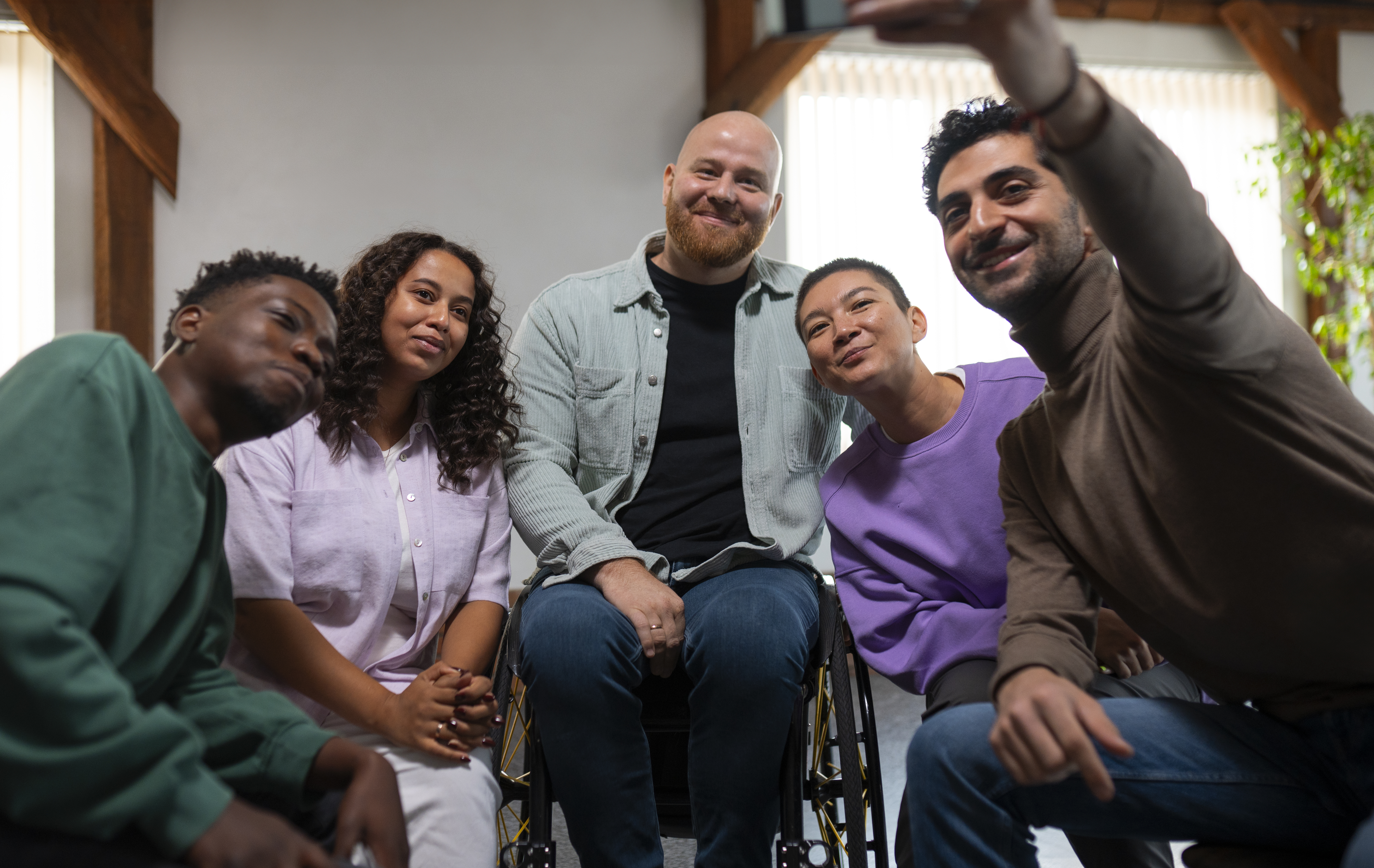
Learn how inclusive volunteering strengthens communities, expands participation, and creates meaningful opportunities for people of all backgrounds.
‹ Previous Post
Strategic, technical, and design-focused updates you can make to optimize your nonprofit website for volunteer conversion
Next Post ›1:1 consultation aimed at transforming your volunteer program
Learn how to transform supporters into donors
Help us spread our message