Recruiting volunteers is really hard. So how do you do it while maximizing your retention rates? Well, let’s start at the beginning…
Tried and True Volunteer Retention Strategies
The holy grail of volunteer management is 100% volunteer retention. While that’s not entirely realistic, there are some tried and true strategies are statistically proven to drive volunteer retention.
Ensuring that volunteers are matched to programs that they’re interested in
Strong training and orientation for new volunteers
Volunteer recognition programs
Follow-ups and thank you’s to volunteers
There are some additional indicators (like volunteers who are recruited by their friends), but these four listed above receive the most recognition.
But what if we were to go beyond those traditional strategies?
Recruiting as a Retention Tool
Here at Golden, we clearly seeing volunteer retention starting during the recruitment phase. This article is going to cover the best ways to use volunteer recruitment as your first, powerful tool for volunteer retention. We’re going to cover:
The following statistics were generated as part of our year-end review here at Golden working with our non-profit partners to analyze the activities of the past 2 years. In addition to interviewing some of our top performing organizers (based on recruitment rates, volunteer retention rates, and volunteer ratings), we’ve combed through our data to come up with some trends and themes. The following stats may not apply to your organization! We’re just highlighting the stats to be thought-provoking.
Stat 1: Clear next steps = Signups
7 of the 10 most popular Opportunities created on Golden (combination of conversion rate and fill rate) had specific date/times and locations (in-person or virtual).
The other 3 were self-guided virtual Opportunities that volunteers could complete from home.
Takeaway? Volunteers like to be told what to do and when to do it.
Stat 2: Interview Times = Signups
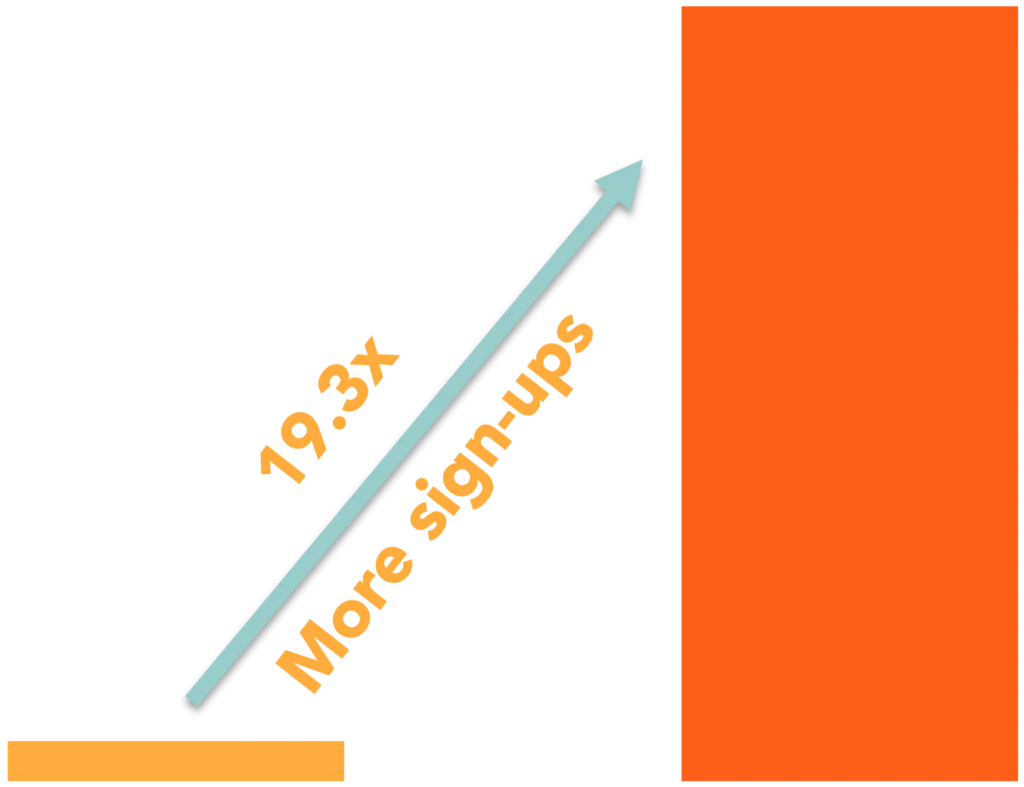
Opportunities asking for “applications” got nearly20 times more sign-upswhenthey included proposed interview times.
Takeaway? When a volunteer knows what the next step is, they’re more likely to sign up and follow through.
Stat 3: Choices = Retention
The Top 10 organizations on Golden byretention rate (return volunteer %) all had either…
More than one type of activity for volunteers to perform (both short and long term), or…
…multiple times / dates that activities could be performed.
Takeaway? Volunteers love options; more options = more retention.
Volunteer Retention Principles & Strategies
Based on our experience working with and observing thousands of volunteer programs around the world, we we believe that….
Retention starts with the initial recruitment and sign-up process
Re-activating an existing volunteer is the most valuable form of recruitment
These principles guide us to recommend the following strategies:
Easy early.
Clear expectations.
Thank you…and here’s what’s next!
Sync the fundraising and volunteer teams.
⭐⭐⭐Easy Early:
It needs to be EASY for a volunteer to get started…
Single, clear destination for sign-ups
Website, emails, social media all link to 1 “Volunteer Now” page
Sending hardcopy mail? Try using a QR code generator to “link” your mailer to your website
Sign-up page lists all roles/activities individually
Volunteers self-selecting creates clear expectations and saves you time!!
…and it needs to be EASY to get involved again!
”Volunteer Now” page features an Opportunity calendar to sign up for the next session or to…
Easily access other available roles – the Garage Sale approach!
Why does this matter?If it was hard for a volunteer to sign up the first time, they’ll fear it will be hard next time.
⭐⭐⭐Clear Expectations:
If a volunteer doesn’t have the right expectations, there’s a good chance that your recruiting efforts will be wasted.
Volunteer Opportunity listings should have clear descriptions of:
The role (or job) that you expect them to fill (the more specific the better)
The expected commitment (time, duration, etc.)
Immediate next steps
For applications, identifying next-steps before activation can increase follow-through
Pro-tip: add a photo! Pictures (even silly selfies) help volunteers create a vision for what to expect.
⭐⭐⭐Thank you…and here’s what next!
You should always write a nice “Thank You” email.
Try writing a nice “Thank You” email with…
Links to other Opportunities that the volunteer is eligible for
Asks for a donation: volunteers are most emotionally connected in the 72 hours after they’ve last volunteered.
Why does this matter? Retention is the start of a new recruitment– strike while the iron is hot!
Sending “Thank You” emails is a very common and very effective practice…when done right. The biggest mistake made in “Thank You” emails is when the “thank you” is not accompanied by an “ask.”
⭐⭐⭐Sync the fundraising and volunteer teams
A subtle but consistent theme in our non-profit interviews was that fundraising teams rarely ask donors to volunteer. In many cases (fewer but still a lot), donors and volunteers were considered two separate groups.
Volunteer managers can compare volunteer lists to donor lists and make sure that they’re asking donors to volunteer too.
Fundraising appeals can link to Volunteer Opportunities
Hey Fundraising Teams: don’t worry! Links to Volunteer Opportunities can go at the bottom of your emails so that they don’t distract from the main message (donations!)
Why does this matter? When all of your communications have clear, consistent calls to action you’ll get more follow-through. Donors often don’t get asked to volunteer – but they’ve already proved that they care!!!
Looking to learn more about how Golden can help you recruit and retain more volunteers. Drop us a line here!
Written by
Steve Sherrill
Steve is a multi-faceted team player with a deep connection to civic engagement. In government, he’s worked in the White House and under Mayor Michael Bloomberg as a Senior Policy Advisor. In business, he’s worked in private equity with Global Infrastructure Partners and led brand marketing and e-commerce for Royal Robbins.